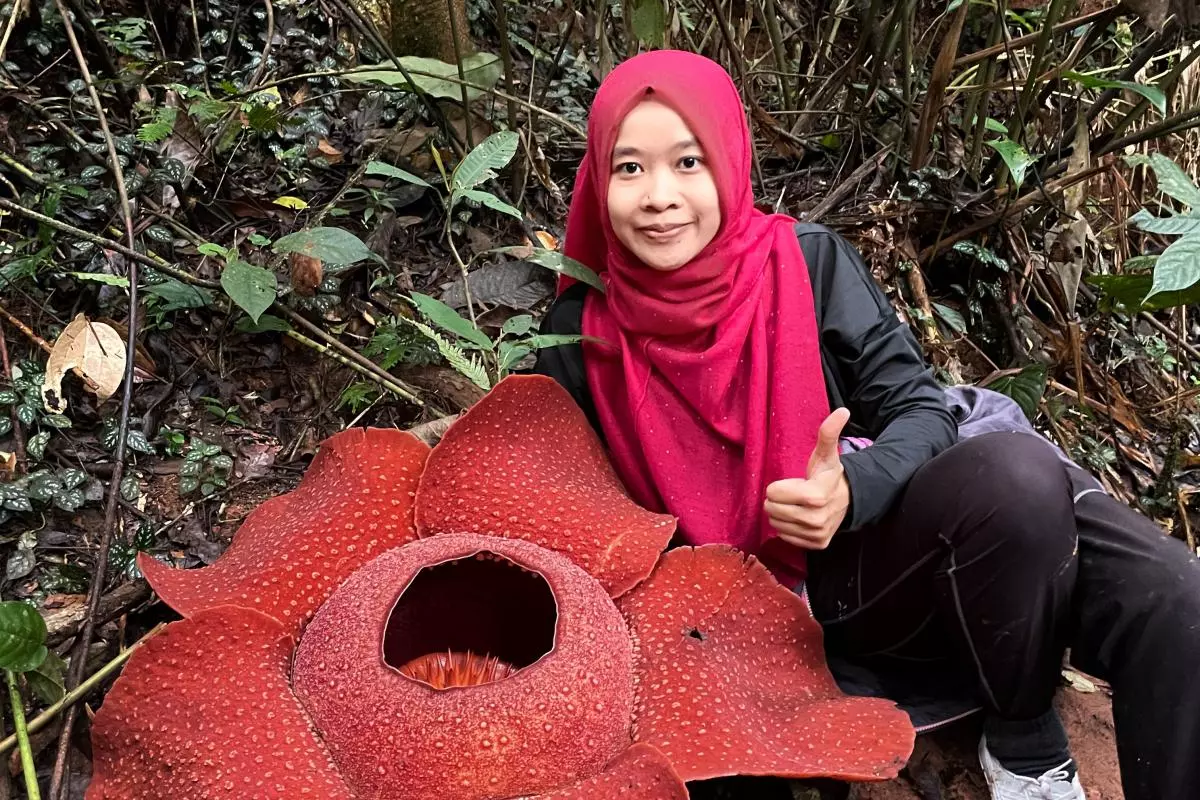

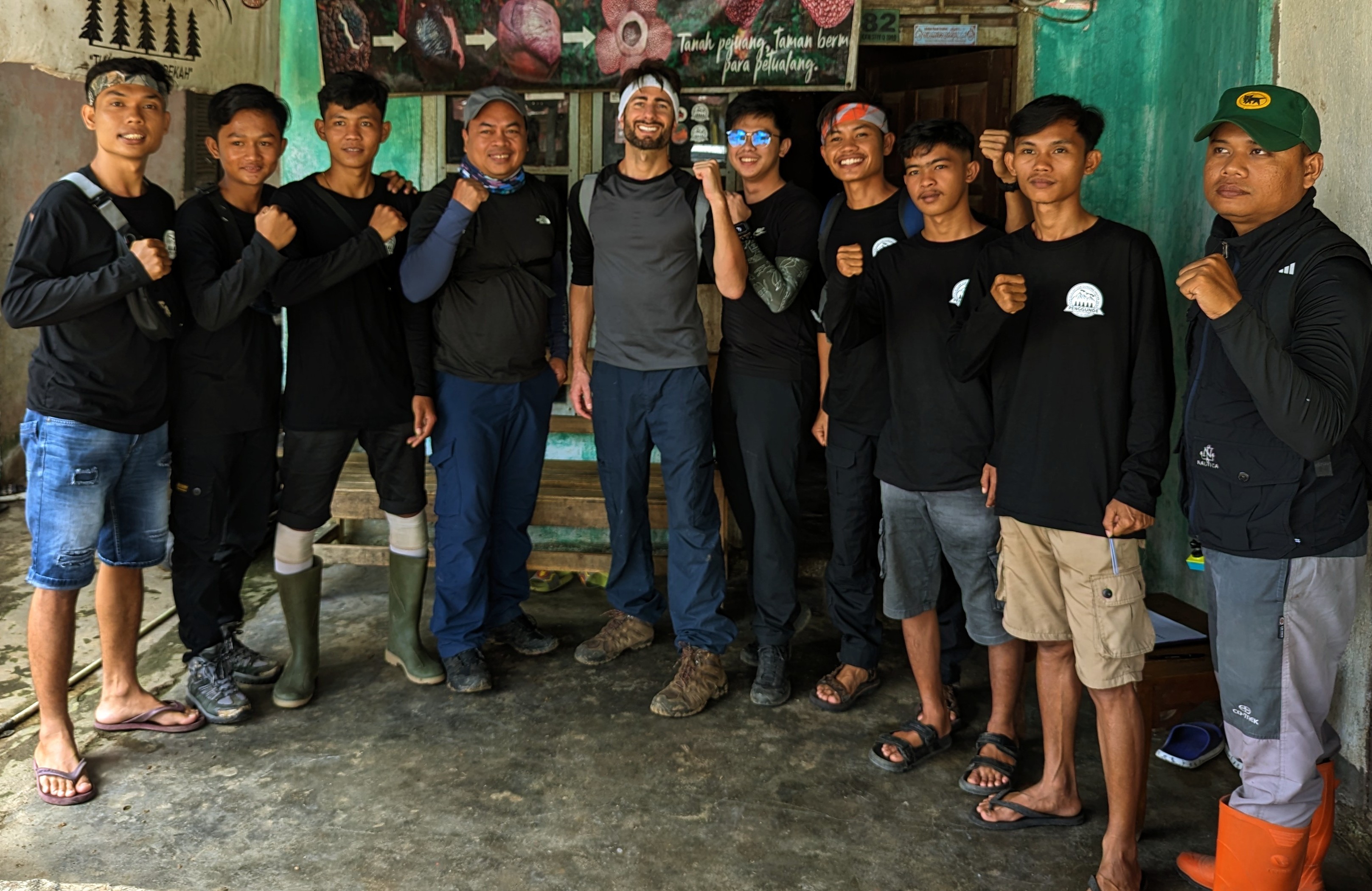
The CCRR comprises botanists, foresters and community custodians from across the globe whose work is dedicated to the research and conservation of Rafflesia. Together, we seek to promote and deploy inter-regional best practice across Southeast Asia. Our talents span Rafflesia propagation, taxonomy, and on-the-ground conservation, in collaboration with local partners. In sum, we are taking an interdisciplinary approach to understanding the world’s greatest botanical enigmas.
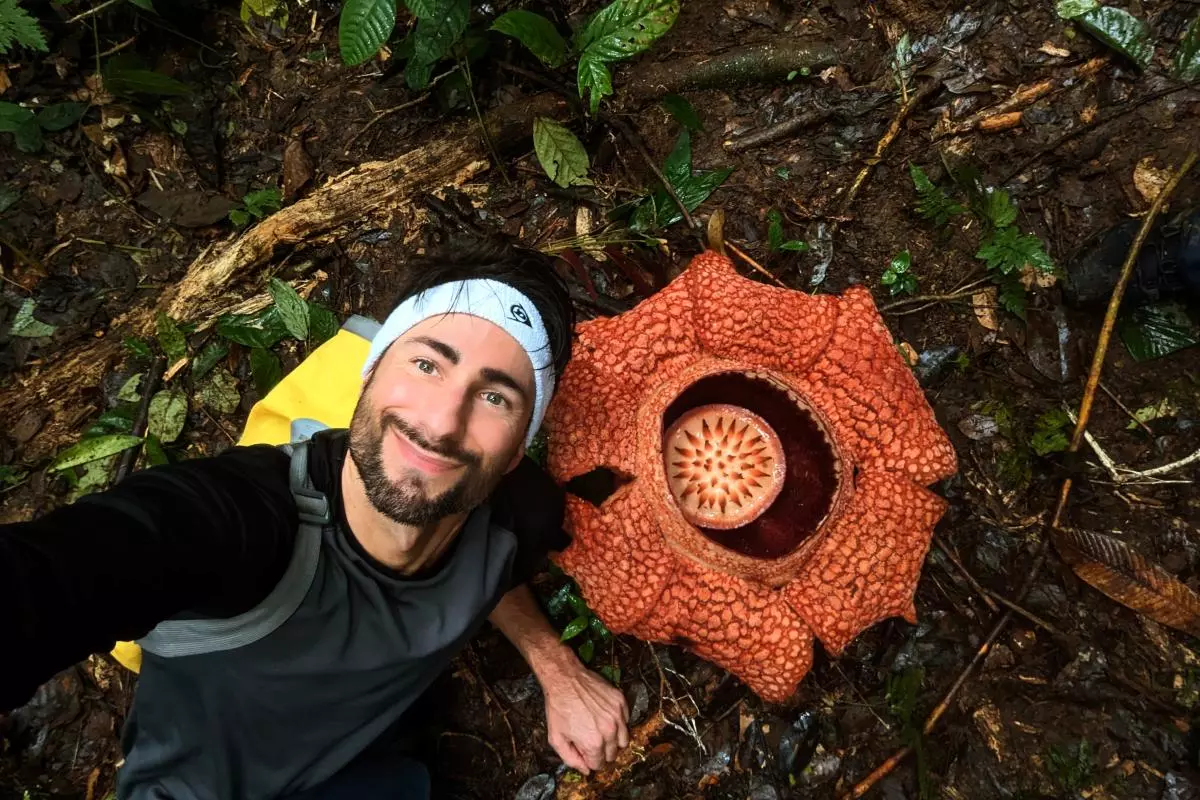
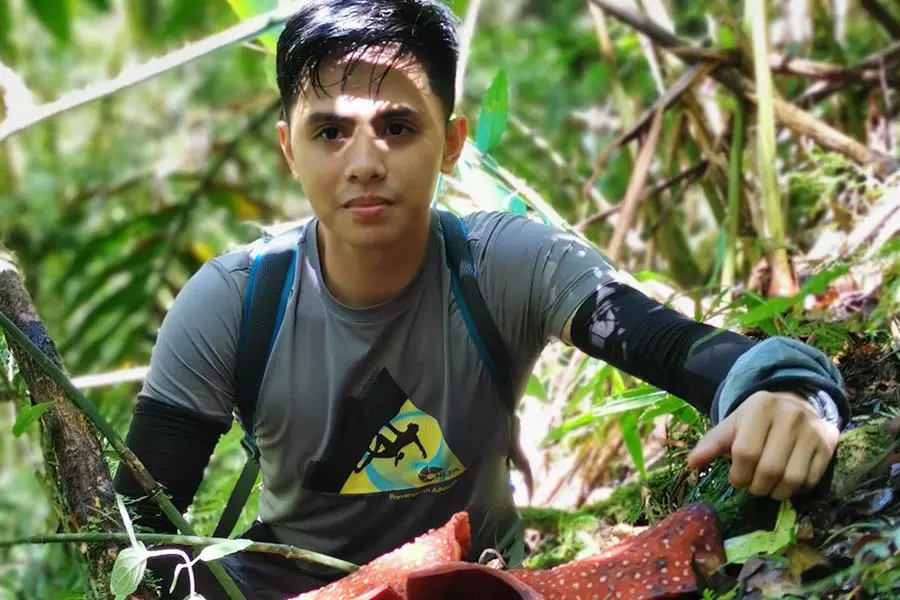
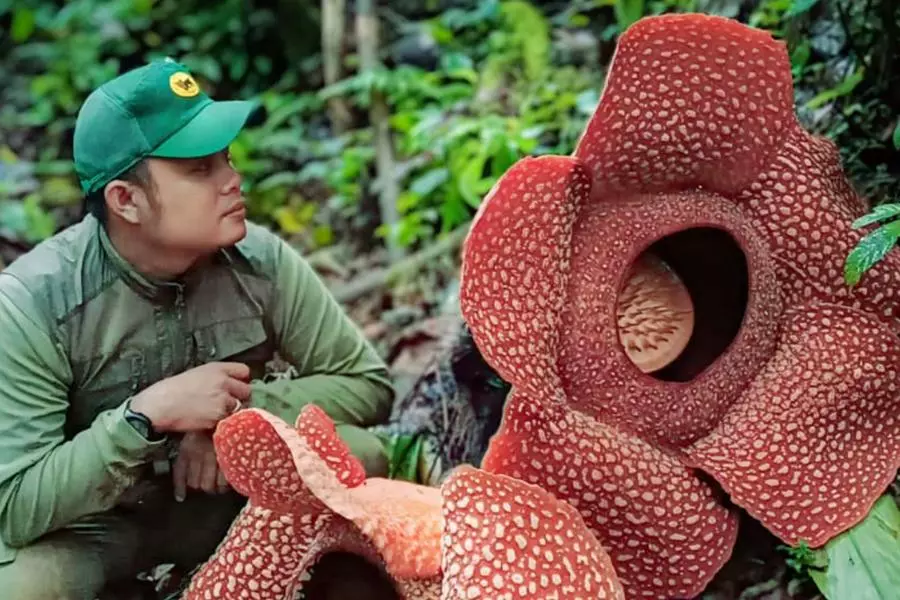
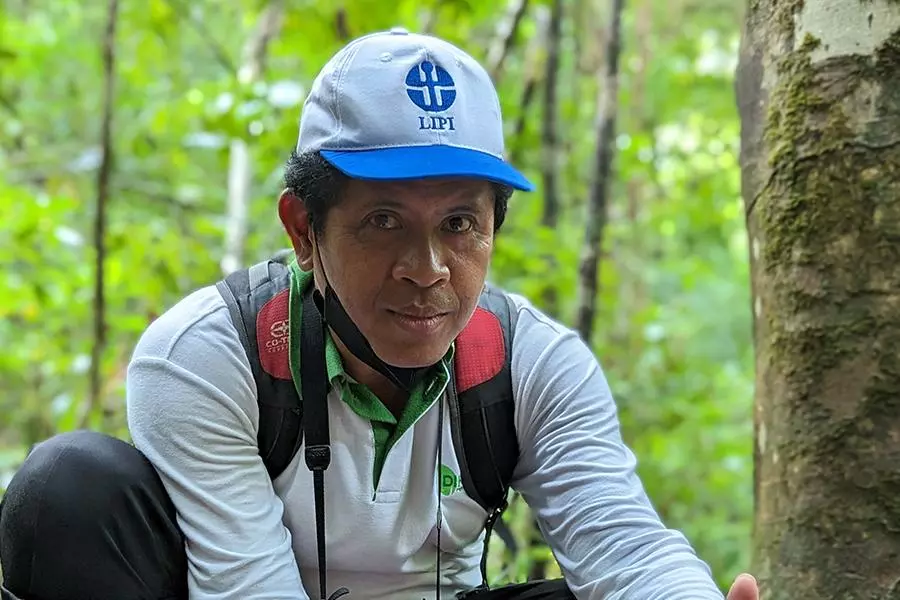
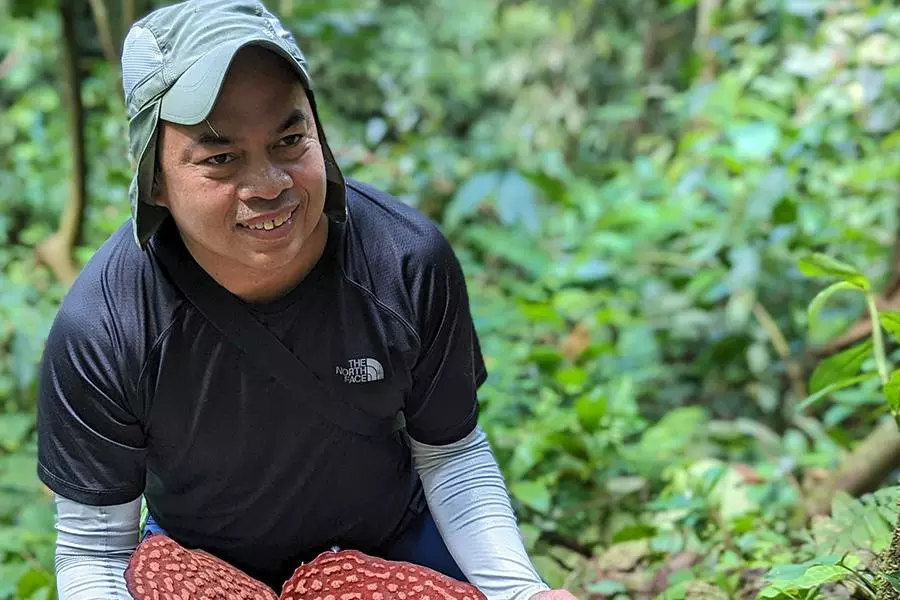
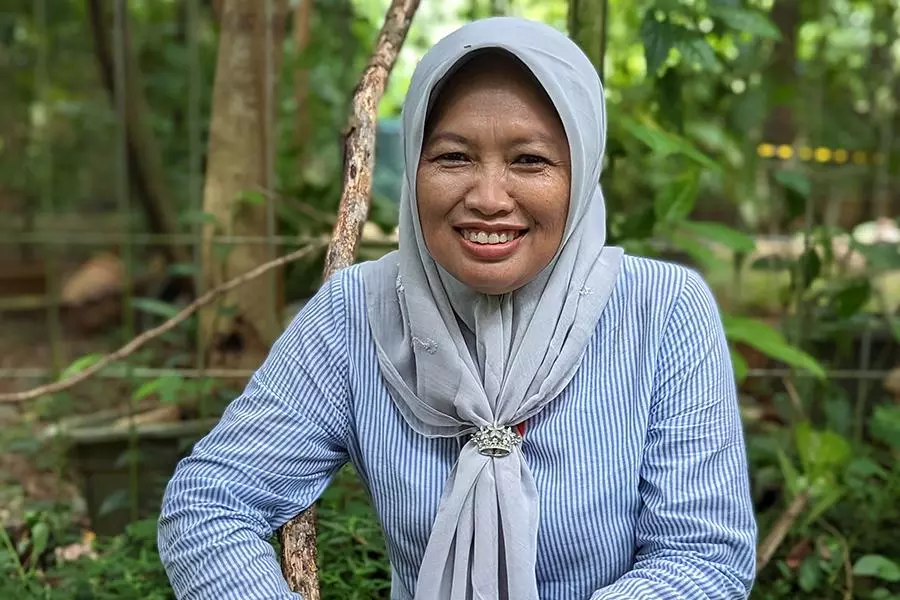
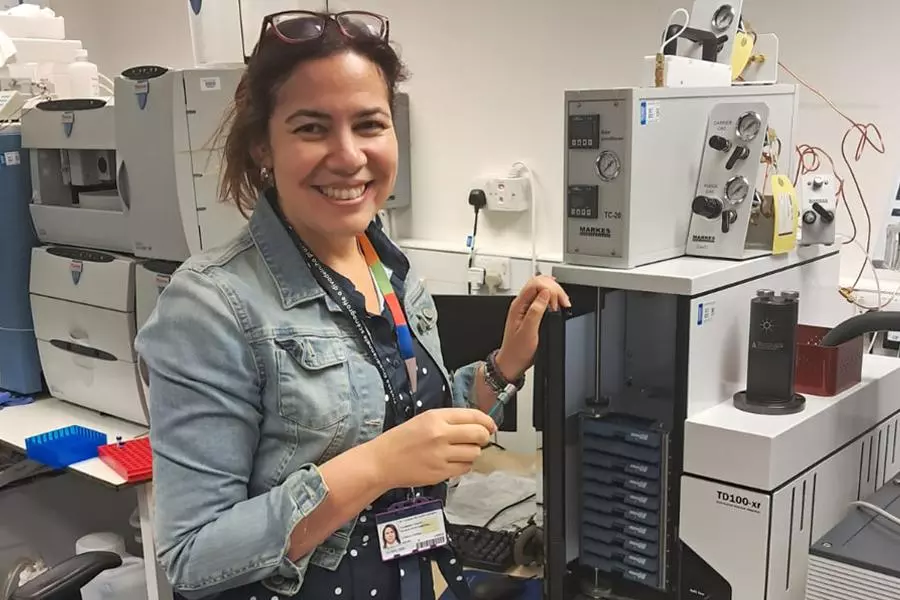
Sofi Mursidawati's first encounter with Rafflesia in its natural habitat was transformative. Her master's thesis in Australia provided a solid foundation to grow Rafflesia in Bogor Botanical Gardens. She discovered that attempts to grow Rafflesia ex situ at the Garden date back to the 1800s. This historical context fueled her desire to contribute to the Garden's legacy. Despite three decades of effort, this enigmatic flower remains largely unexplained, fueling ongoing research and discovery.
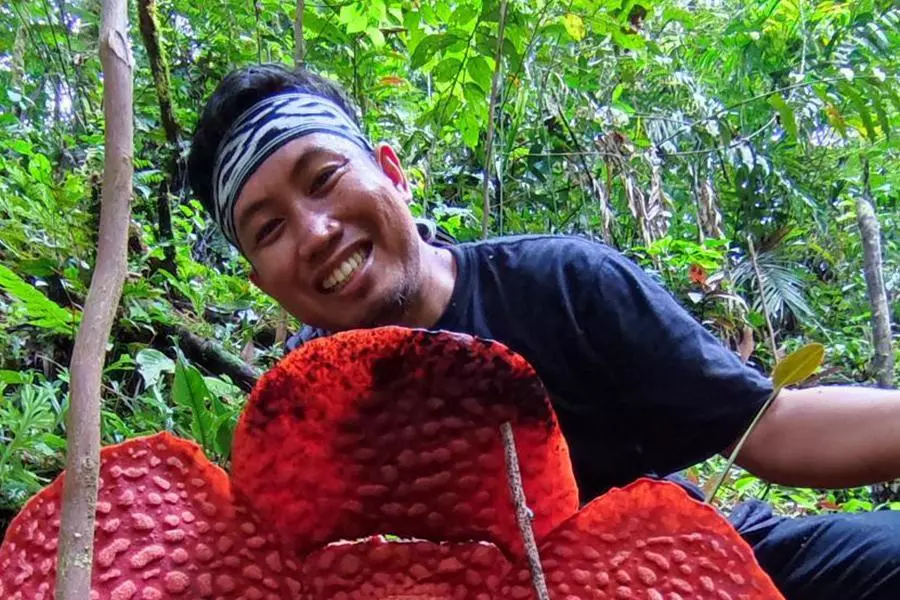
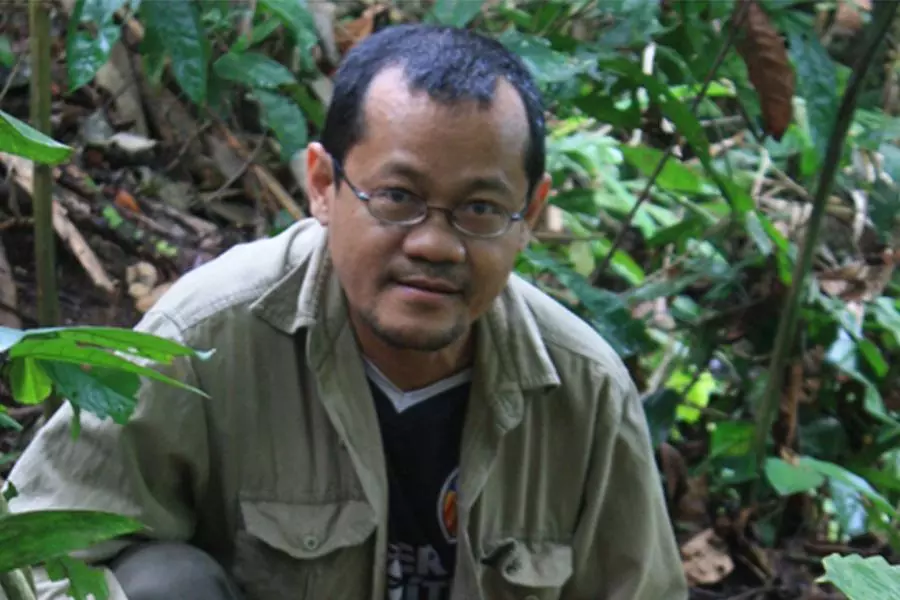
Agus Susatya is a senior lecturer in biodiversity conservation at the University of Bengkulu. The conservation, diversity, and rarity of tropical plants are his areas of interest in research. At the species level, his research focuses on the ecology and taxonomy of Rafflesia, particularly the dynamics of its population structure and the growth of flower buds. He is also working with local people known as Komunitas Peduli Puspa Langka (KPPL) or community for caring rare flowers, in order to preserve and safeguard Rafflesia in Bengkulu Province and to establish sustainable ecotourism.
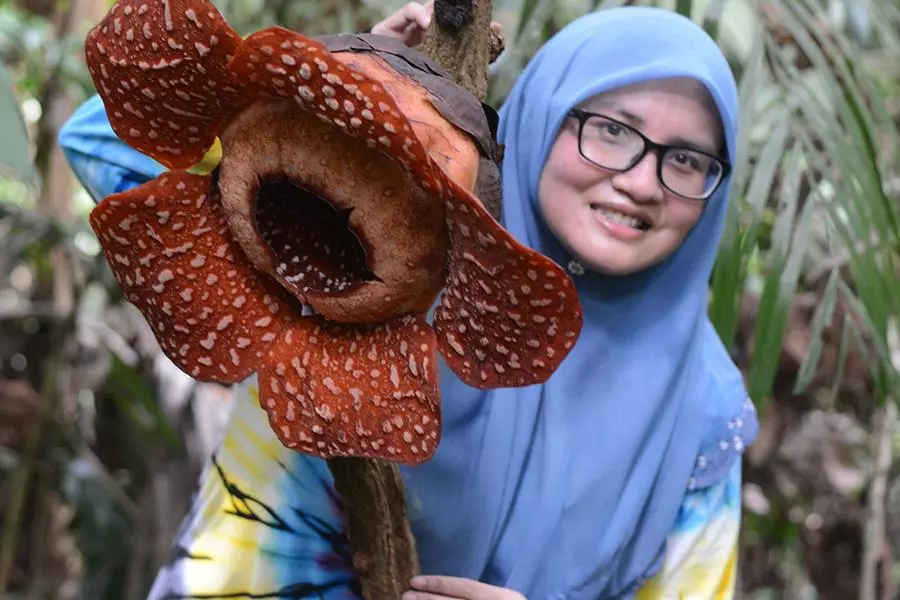
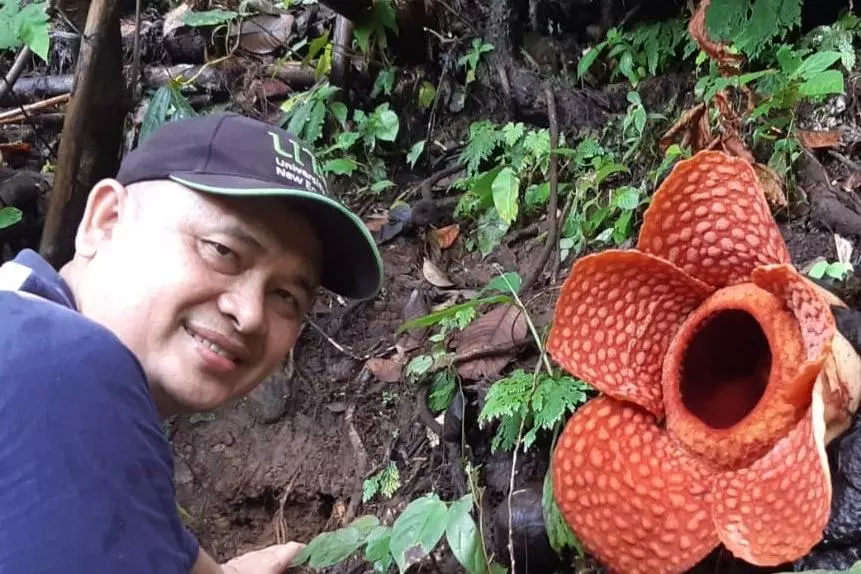
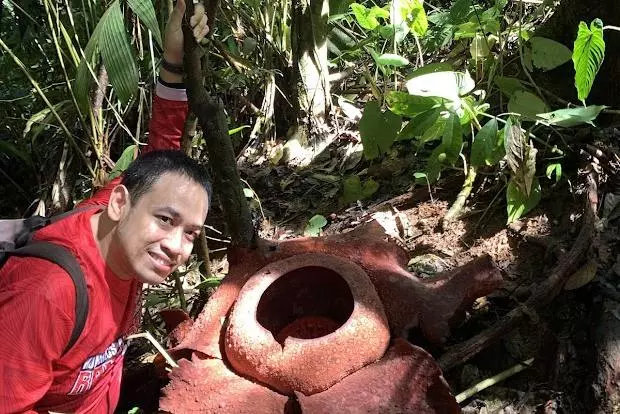
Yansen is an Associate Professor in the Department of Forestry, University of Bengkulu, Indonesia. He lives Bengkulu, where Rafflesia arnoldii, the largest of Rafflesia species, is mostly found. He studied eco-physiology of climbing plants for his PhD; then continued research on climbing plants and the eco-physiology of tropical forest plants. He is currently researching the Tetrastigma sp, climbing plants serving as the host of Rafflesia sp and other genus of Rafflesiaceae. He believes that understanding the host will determine the comprehension of Rafflesia's life cycle.
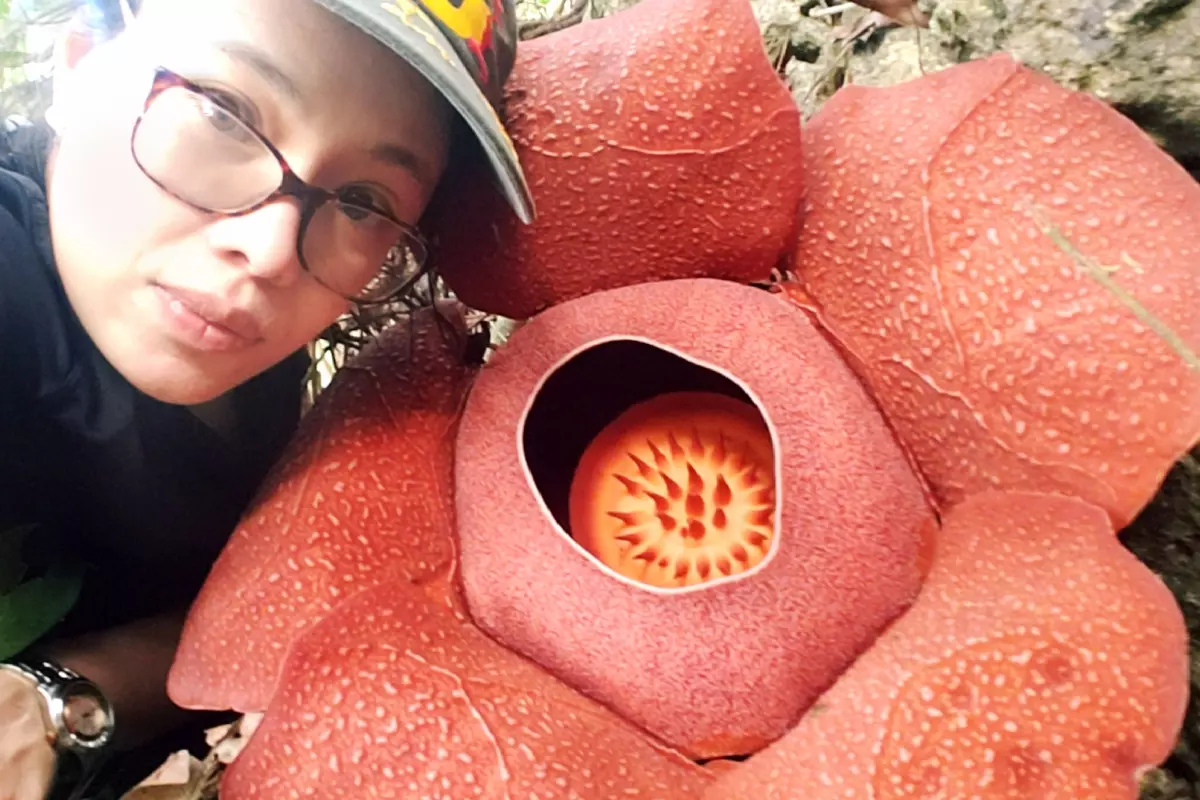
Jeanmaire Molina is an Associate Professor of Biology at Pace University, New York City, USA. She teaches ethnobotany, medicinal botany, and natural product pharmacology to help students develop a better appreciation for plant diversity for their vital, yet often overlooked roles in human lives. Originally from the Philippines, Jean is deeply committed to conserving Philippine Rafflesia through ex situ cultivation in collaboration with the U.S. Botanic Garden. Her goal is not only to cultivate Rafflesia, but also future scientists who will be able to carry on biodiversity conservation.